"Too Late" Is a Lie We Tell Ourselves: Why 27+ Is the Perfect Time to Chase Your Real Dream
Think it's too late for a career change at 27+? Here's why your late 20s are actually the perfect time to chase what you really want.
Read
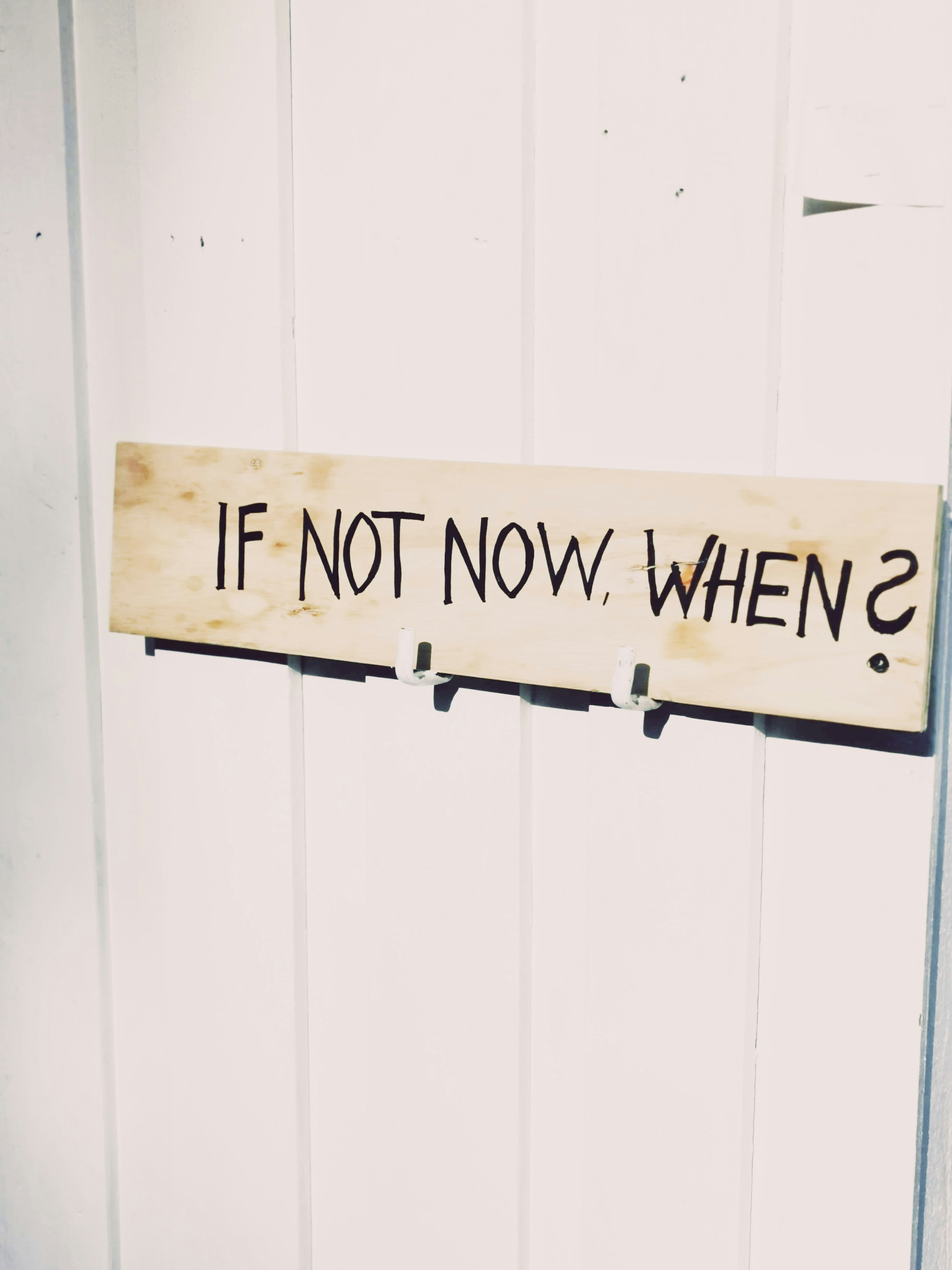
"Too Late" Is a Lie: Why Your Late 20s Are Actually Perfect for a Career Change
You're 27. Maybe 28, 30, or 32. And you're sitting there thinking: I missed my chance.
You see people who "figured it out" earlier the ones who started training at 5, or picked their path at 18 and never looked back. Meanwhile, you spent your 20s doing what you were "supposed" to do. The practical thing. The safe thing. The thing that made your parents happy.
And now you're wondering if it's too late to chase what you actually want.
Here's the truth: it's not. Not even close.
If anything, your late 20s and early 30s might be the best time to make a career change. You have something 22-year-olds don't real work experience, self-awareness, and a clearer sense of what you actually value. You're not starting from scratch. You're starting from a place of knowing what you don't want, which is honestly half the battle.
Let's talk about why the "too late" narrative is complete nonsense, and what to do about it.
The "Too Late" Timeline Is Made Up
Think about where this idea comes from. Someone decided that if you're not on a clear path by 25, you're behind. That career changes only happen in your early 20s. That switching directions means "starting over."
But who made that rule? And more importantly, who benefits from you believing it?
The reality is that most people change careers multiple times throughout their working lives. According to the Bureau of Labor Statistics, the average person holds 12 different jobs between ages 18 and 54. Twelve. That's a lot of switching around.
You're not an outlier for wanting something different at 27. You're completely normal.
The "too late" story keeps you stuck. It makes you think the only path forward is the one you're already on, even if it's making you miserable. And that's exactly the problem it prioritizes an imaginary timeline over your actual happiness and fulfillment.
What You're Really Mourning (And Why That's Okay)
When you say "it's too late," what you're often feeling is grief. Not for the career itself, but for the version of yourself you thought you'd become by now.
Maybe you imagined yourself as a performer, an artist, or an entrepreneur. And instead, you're three years into a corporate job that pays well but feels hollow. There's a gap between who you are and who you thought you'd be.
That gap hurts. And it's worth acknowledging.
But here's the thing: mourning the path you didn't take doesn't mean you can't start building the one you want. You can honor what you've lost *and* move forward. These aren't mutually exclusive.
The identity you're building now matters more than the one you didn't become at 22. Because this one is based on actual self-knowledge, not just guesses about what might make you happy.
Why Following Your Own Motivation Actually Matters
You've probably spent years doing things for external reasons. To please your parents. To have a "respectable" career. To pay off loans or build savings. All valid reasons.
But at some point, you have to ask: what do I actually want?
External validation money, status, approval can only carry you so far. Eventually, you need something deeper. You need work that aligns with what actually drives you, not just what looks good on paper.
This isn't about being selfish or impractical. It's about building a career that's sustainable long-term. Because burnout isn't just about working too much it's about working on things that don't matter to you.
When you're motivated by something internal (curiosity, creativity, helping people, solving problems), work stops feeling like a grind. It becomes something you actually want to do, not just something you have to do.
How to Make a Career Change When You Feel Behind
Okay, so you're convinced it's not too late. Now what?
Making a career change in your late 20s or beyond isn't about throwing everything away and starting from zero. It's about building on what you already have while moving toward something better.
Figure Out What You're Actually Moving Toward
Don't just run away from your current job. Run *toward* something specific.
What lights you up? What did you love doing as a kid before anyone told you it wasn't practical? What would you do even if no one paid you?
Get specific. "I want to be creative" is too vague. "I want to perform" or "I want to teach dance" gives you something to work with.
Write it down. Talk about it out loud. Make it real instead of keeping it as a fuzzy someday-maybe idea.
Start Small and Build Evidence
You don't have to quit your job tomorrow and enroll in a full-time program. In fact, you probably shouldn't.
Start testing your interest on the side. Take a class. Join a community. Do the thing in small doses and see how it feels.
Say you want to be a dancer. Can you take classes twice a week? Can you join a local company or group? Can you start teaching beginner classes on weekends?
These small experiments do two things: they give you real data about whether this path actually fits, and they start building your skills and network in that field.
Use What You Already Have
Your "old" career isn't wasted time. You learned things. You built skills. You figured out how to show up, meet deadlines, work with difficult people, manage projects.
All of that transfers.
Even if you're switching to something totally different, you're bringing experience that pure beginners don't have. You know how professional environments work. You know how to learn quickly. You know how to handle rejection and setbacks.
Find the connections. A corporate job teaches you organization and communication. Customer service teaches you empathy and problem-solving. Any job teaches you work ethic and resilience.
Use it.
Give Yourself a Realistic Timeline
A career change doesn't happen overnight, especially if you're building new skills or breaking into a competitive field.
Give yourself 1-2 years to make real progress. Not to "make it" or become a star, but to get your foot in the door and start building momentum.
That might look like:
- Year 1: Take classes, build skills, start networking, do small gigs or projects
- Year 2: Increase your involvement, look for paid opportunities, consider reducing hours at your day job
This isn't a quick fix. But it's also not a lifetime sentence in a career you hate.
Find Your People
How to make a career change stick? Don't do it alone.
Find people who are on a similar path. Join online communities, go to meetups, take group classes. Surround yourself with people who get it.
When you're trying to make a big change, isolation kills momentum. You need people who understand why this matters, who can celebrate small wins with you, and who won't judge you for taking a risk.
What About Money? (The Practical Stuff)
Let's be real: career change advice often skips over the financial piece, and that's not helpful.
If you're considering a field that doesn't pay well initially (like dance, art, nonprofit work), you need a plan. That might mean:
- Keeping your current job while building skills on the side
- Finding related work that pays better (teaching, choreography, arts administration)
- Building up savings before making the jump
- Finding a part-time job that covers basics while you pursue your goal
You don't have to choose between following your passion and paying rent. But you do have to be strategic about how you make the transition.
Redefining What Success Actually Means
Here's the part that no one tells you: success doesn't have to look like what you thought it would at 18.
Maybe you won't become a principal dancer at a major company. Maybe you won't be famous or make six figures.
But maybe you'll perform regularly with a local company you love. Maybe you'll teach classes that genuinely help people. Maybe you'll build a life where you get to do the thing you care about most, even if it looks different than your teenage dreams.
That's not settling. That's building something real.
The point isn't to match some external standard of achievement. It's to create a life that actually feels like yours.
You're Not Starting Over You're Starting Different
The narrative that says you're "starting over" at 27 or 30 is wrong.
You're not back at zero. You have years of life experience, professional skills, and self-knowledge that you didn't have at 22. You know what doesn't work for you. You know what you value. You know how to stick with hard things.
You're not starting from scratch. You're starting from a different, arguably better place.
Yes, you'll be behind people who started younger. But so what? They're on their path, and you're on yours. Comparison is just a way to stay stuck.
The question isn't "Am I too late?" The question is "What do I want to build from here?"
And the answer to that is completely up to you.
Ready to Stop Waiting and Start Moving?
That's exactly why we're building Navi to help people like you figure out what you actually want from your career and make it happen, no matter what stage you're at.
We're launching soon. Join the waitlist at trynavi.com to get early access.
Want to connect with others navigating career changes and big life pivots? Join our Discord community to talk through your next move with people who actually get it.
Your late 20s aren't the end of possibility. They're just the beginning of building something that's actually yours.