How to Change Careers in 2026 When You Don't Know What You Want
The confusion you feel isn't a weakness, it's a signal. Navi helps you read it, find careers that actually fit, and build a plan forward
Read

Best Jobs for 2026? Here's What You Actually Need to Know About Your Next Career
If you've been scrolling through career advice online lately, you've probably seen a lot of hot takes about the "best jobs for 2026." And look we get it. When you're thinking about a career change or trying to figure out your next move, it's tempting to chase whatever's trending on some list.
But here's the thing: the best career for 2026 isn't necessarily the one that shows up on every "top jobs" article. It's the one that actually fits you your skills, your lifestyle, and what you actually want to be doing day-to-day.
That said, understanding what's happening in the job market can help you make smarter decisions about your career change. So let's talk about what really matters when you're exploring a new career, beyond just what's hot right now.
Why "Best Jobs" Lists Miss the Point
Every January, the internet explodes with articles about the best careers to pursue. Tech jobs! Healthcare! Renewable energy! And sure, these industries are growing but that doesn't automatically make them right for you.
Here's what those lists usually ignore: job satisfaction isn't just about salary or growth projections. It's about whether you actually enjoy the work, whether it fits your life, and whether you can realistically break into that field.
Say you're a marketing coordinator who's been in the same role for three years. Someone tells you cybersecurity is booming, so you should switch. But if you hate technical troubleshooting and prefer creative work, you're just going to end up miserable in a "hot" field.
The smarter approach? Use industry trends as one data point while you're figuring out how to make a career change not as the entire decision.
What's Actually Driving the Job Market Right Now
Okay, so if we're not just chasing trends, what should you know about the current landscape? A few real shifts are worth paying attention to:
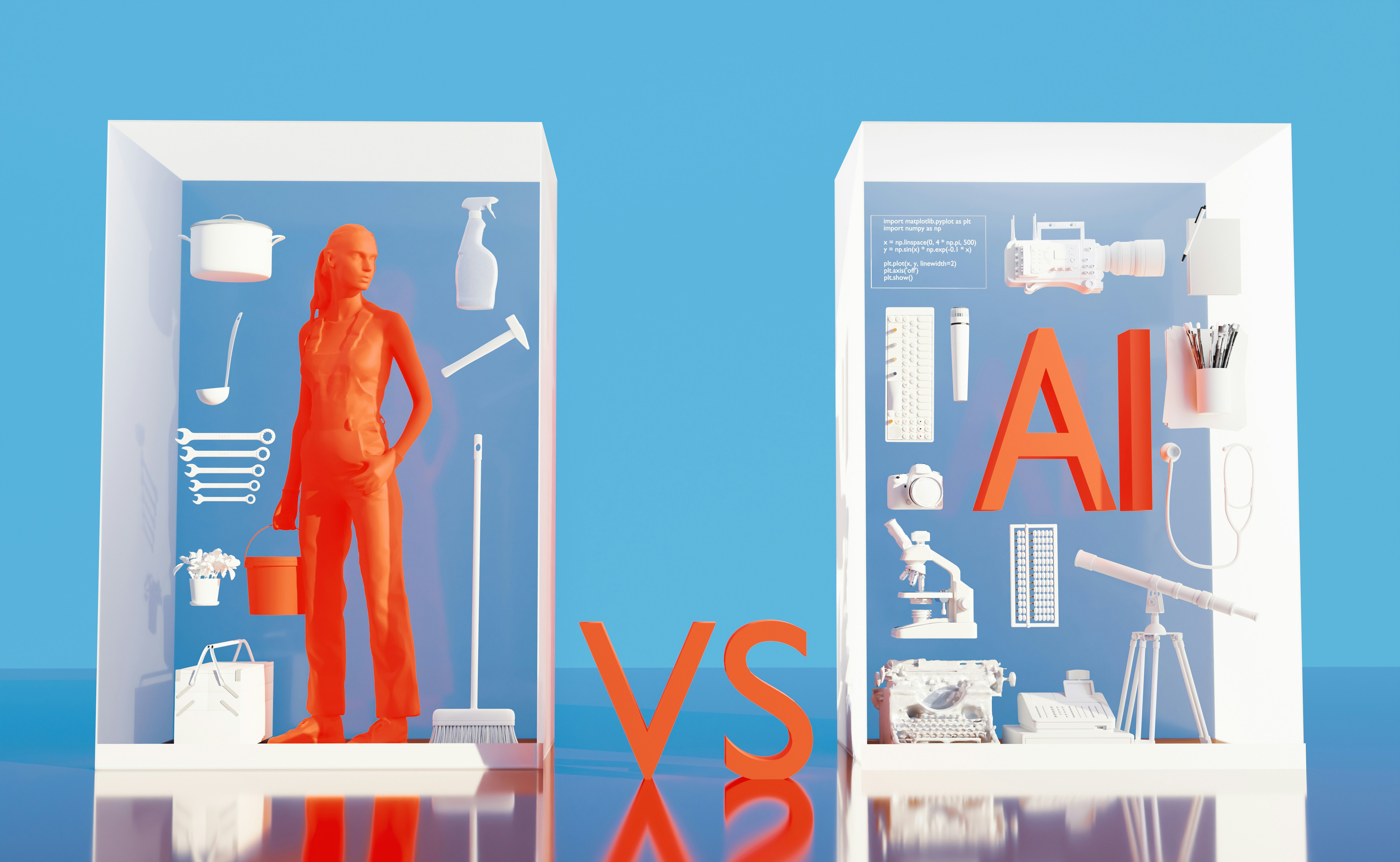
AI is changing (not eliminating) a lot of jobs. Some roles are getting automated, but new ones are emerging around AI implementation, oversight, and strategy. If you're thinking about finding a new career, understanding where AI fits into your industry helps you stay relevant.
Remote work created new possibilities. Geography matters less than it used to. That means you might have access to opportunities that didn't exist a few years ago or you might face more competition. Either way, it changes the game for anyone making a career switch.
Skills matter more than degrees. Companies are increasingly hiring based on what you can actually do rather than where you went to school. That's good news if you're a career changer without a traditional background in your target field.
How to Think About Your Career Change in 2026
Instead of asking "what's the best job?" here are better questions to guide your career change:
What problems do you actually want to solve?
This sounds simple, but it cuts through a lot of noise. Do you want to help people directly? Build things? Analyze data? Create content? The specific industry matters less than the type of work you're doing.
If you're stuck on this, think about the parts of your current job you don't hate. What are you doing when time passes quickly? That's usually a clue.
What lifestyle do you need your career to support?
Some careers require 60-hour weeks. Some offer flexibility. Some pay well early on, others take years to ramp up. None of that is good or bad it just needs to match what you actually need.
If you have kids and need predictable hours, chasing a startup job that requires constant availability will make you miserable, even if the company is working on something cool.
What skills do you already have that transfer?
You probably have more relevant experience than you think. Project management, communication, problem-solving these show up everywhere. When you're thinking about how to switch careers, start by identifying what you're already good at. It makes the transition way less overwhelming.
Fields Worth Considering (With Context)
Alright, with all those caveats in place, here are some areas that are genuinely growing and more importantly, why they might (or might not) be right for your career change:
Healthcare (But Not Just Doctors and Nurses)
Healthcare is always going to have demand. But the interesting opportunities aren't just clinical roles. Healthcare tech, operations, patient experience, data analysis there are a ton of adjacent roles that need people who can think critically and solve problems.
Good fit if: You want stability and don't mind some bureaucracy. You care about tangible impact on people's lives.
Not a fit if: You need a fast-paced, constantly changing environment. Healthcare moves slowly, which is both good and frustrating.
Anything Climate-Related
From renewable energy to sustainable supply chains, companies actually need people working on this stuff now. According to the U.S. Bureau of Labor Statistics, wind turbine technician and solar installer roles are among the fastest-growing occupations in the coming years.
Good fit if: You want your work to feel meaningful. You're okay with an industry that's still figuring itself out in some ways.
Not a fit if: You need a completely clear career ladder. Some of these roles are still being defined.
Skilled Trades (Seriously)
Electricians, plumbers, HVAC technicians these jobs pay well, can't be automated, and don't require a four-year degree. If you're thinking "I need a new career" and you're tired of sitting at a desk, this is worth considering.
Good fit if: You like hands-on work, problem-solving in real-time, and being done with work when you leave the job site.
Not a fit if: Physical labor isn't your thing, or you strongly prefer remote work.
Tech (But Be Specific)
"Tech" is too broad to be useful career change advice. Software engineering? Product management? UX design? Data analysis? These are completely different jobs that happen to exist in the same industry.
If you're interested in tech, pick a specific role and learn what it actually involves day-to-day. Don't just assume "tech = good job."
How to Actually Make Your Career Change Happen
Knowing what you want is step one. Here's how to make a career change without losing your mind:
Start small and test things
You don't have to quit your job tomorrow. Take a class. Do a side project. Talk to people actually doing the work. Small experiments help you figure out if a new career is actually what you want before you commit.
Focus on one transferable skill at a time
Trying to learn everything at once is overwhelming. Pick one skill that bridges your current experience to your target role, and get decent at that first.
Talk to people who made similar switches
Someone out there has done a version of what you're trying to do. Find them (LinkedIn, industry groups, online communities) and ask specific questions. "How did you learn X?" is way more useful than "how do I break into this field?"
Give yourself more time than you think you need
Career changes take longer than you expect. That's normal. If you go in knowing it might take 6-12 months to get traction, you won't spiral when it doesn't happen immediately.
The Real Best Career for 2026
Here's the honest answer: the best career for 2026 is the one you can actually stick with because it doesn't make you miserable.
That might be something on a trending jobs list. It might be something you've never heard anyone talk about. It might even be a version of what you're already doing, just in a different context.
The career change advice that actually matters isn't about predicting the future it's about understanding yourself well enough to make decisions that work for your life.
---
Ready to find a career that actually fits?
That's exactly why we're building Navi a platform that helps you discover careers based on what you actually care about, not just what's trending on some list.
We're launching soon. Join the waitlist at trynavi.com to get early access.
Want to connect with others figuring out their next career move? Join our Discord community to share experiences, ask questions, and get real advice from people who've been there.
Your next career is out there and it probably doesn't look exactly like what you expected.